
Hot Tub Deck Plans: A Comprehensive Guide
Discover readily available PDF resources for constructing your hot tub deck! Many online platforms offer detailed plans,
especially for 8×8 platforms ideal for inflatable tubs.
These guides simplify the building process.
Understanding Hot Tub Weight and Deck Load
Accurately assessing the total weight of your hot tub is paramount before embarking on deck construction. This isn’t simply the tub’s dry weight; you must factor in the substantial added weight of water and the anticipated number of occupants. A typical 8×8 hot tub, when filled, can easily exceed 5,000 pounds – a critical figure for structural calculations.
Understanding deck load involves more than just the hot tub’s weight. The deck must support this live load (the hot tub and people) plus a dead load (the weight of the deck materials themselves).
Failure to account for these loads can lead to structural failure, potentially causing significant damage or even injury. PDF resources often provide load calculation worksheets, but it’s crucial to understand the principles. Consider a safety factor – overestimating the weight is always preferable to underestimating.
Remember, a freestanding deck bears the entire load, while an attached deck distributes some weight to the existing structure, but still requires careful evaluation.
Calculating Deck Load Requirements
Determining precise deck load requirements is a crucial step, ensuring structural integrity and safety. Begin by establishing the total weight of your filled hot tub – often exceeding 5,000 pounds for an 8×8 model. Add the anticipated live load, accounting for the maximum number of users and their average weight.

Next, calculate the dead load, summing the weight of all framing lumber (joists, beams, posts), decking boards, and any railings. PDF plans frequently offer material lists to aid this calculation. Local building codes dictate minimum load capacities, typically expressed in pounds per square foot (PSF).
For hot tub decks, a minimum load of 60 PSF is common, but always verify local regulations. Ensure your chosen lumber and framing dimensions can safely handle the combined dead and live loads, exceeding code requirements for a safety margin.
Utilize online deck load calculators or consult a structural engineer for complex designs. Accurate calculations prevent costly repairs and ensure long-term stability.
Choosing the Right Lumber for Hot Tub Decks
Selecting appropriate lumber is paramount for a durable and safe hot tub deck. Pressure-treated Southern Yellow Pine (SYP) consistently emerges as a popular and cost-effective choice, offering excellent resistance to rot, decay, and insect damage – crucial for ground contact or high-moisture environments.
PDF deck plans often specify lumber grades and dimensions, but understanding the options is key. Consider the span of your joists and beams; longer spans necessitate larger lumber sizes. For an 8×8 deck supporting a 5000lb hot tub, 2×8 or 2×10 joists spaced 12-16 inches apart are frequently recommended.
Beam construction typically utilizes 2×12 lumber, potentially tripled for increased support. Always prioritize lumber that’s been properly kiln-dried to minimize warping and shrinkage.
While SYP is common, redwood and cedar offer natural decay resistance but come at a higher cost. Ensure all lumber is rated for ground contact if posts will be directly embedded in the soil.
Pressure-Treated Southern Yellow Pine: A Popular Choice
Southern Yellow Pine (SYP), when pressure-treated, stands as a go-to material for hot tub deck construction due to its balance of affordability, strength, and resistance to the elements. The pressure treatment process infuses the wood with preservatives, safeguarding it against rot, fungal decay, and insect infestation – critical factors considering constant exposure to moisture.
Many readily available hot tub deck plans PDF resources specifically recommend SYP, detailing appropriate grades and sizes for joists, beams, and posts. It’s crucial to select lumber rated for “ground contact” if any portion of the deck structure will be in direct contact with the soil.
SYP’s workability also makes it easier to cut, drill, and fasten, simplifying the construction process. However, always use corrosion-resistant fasteners (like galvanized or stainless steel) to prevent chemical reactions with the treatment chemicals.
While other wood species exist, SYP offers a compelling combination of performance and value, making it a practical choice for DIYers and professionals alike.

Deck Framing Basics: Joists, Beams, and Posts
Understanding the core components of deck framing – joists, beams, and posts – is fundamental to building a safe and stable hot tub platform. Joists are the horizontal structural members that directly support the decking surface and the weight of the hot tub and occupants. Beams, typically larger in dimension, run perpendicular to the joists, transferring the load to the posts.
Posts are the vertical supports that bear the entire weight of the deck and its contents down to the footings. Hot tub deck plans PDF guides will illustrate how these elements interconnect, specifying appropriate sizes and spacing based on the hot tub’s weight and the deck’s dimensions.

Proper joist spacing (typically 12-16 inches apart) is crucial for preventing deflection. Beams provide intermediate support, reducing the span on the joists. Posts must be securely anchored to concrete footings to prevent settling or shifting.
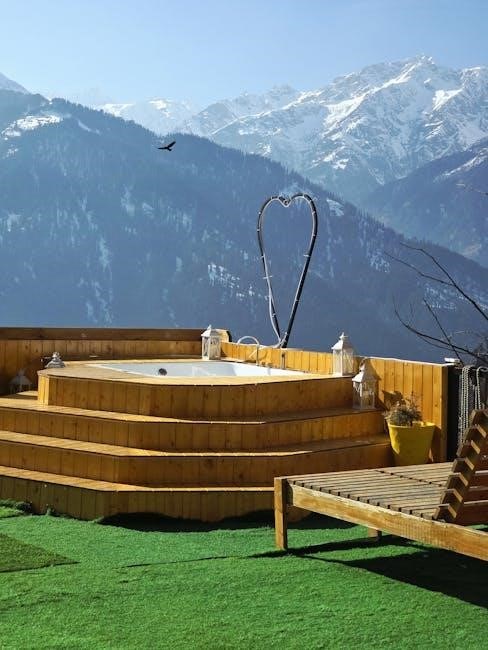
These plans often detail the importance of using ledger boards when attaching to existing structures, ensuring a robust connection.
Joist Size and Spacing for 8×8 Hot Tub Decks
For an 8×8 hot tub deck, selecting the correct joist size and spacing is paramount for structural integrity, especially considering the substantial weight of a filled hot tub – often exceeding 5000 pounds. Generally, pressure-treated lumber, at least 2×8 in dimension, is recommended for joists. However, hot tub deck plans PDF resources may specify larger sizes (like 2×10) depending on local building codes and the hot tub’s exact weight.
Joist spacing typically falls between 12 and 16 inches on center. Closer spacing (12 inches) provides greater support and reduces flexing, while 16 inches offers a balance between support and material cost.
PDF plans will often detail a joist layout, illustrating how to distribute the load evenly. Consider double joists around the perimeter for added strength. Properly supported beams are essential to prevent joist sagging. Always consult detailed plans for specific recommendations tailored to your hot tub’s weight and the deck’s design.
Beam Construction: 2×12 Options and Considerations
When constructing beams for a hot tub deck, particularly supporting an 8×8 structure, 2×12 lumber is frequently employed, offering substantial strength. However, hot tub deck plans PDF resources often detail scenarios requiring even more robust solutions, such as triple 2×12 beams, especially for heavier hot tubs or longer spans.
Considerations extend beyond just the lumber size. Proper beam placement is crucial; beams should rest directly on posts and be securely fastened. The number of beams needed depends on joist spacing and the overall load. PDF plans will illustrate optimal beam layouts.
Ensure beams are adequately supported by posts and concrete footings to prevent settling or movement. Properly sized beams distribute the hot tub’s weight evenly, preventing joist sagging and ensuring long-term deck stability. Always prioritize safety and consult detailed plans for accurate specifications.
Post Placement and Concrete Footings
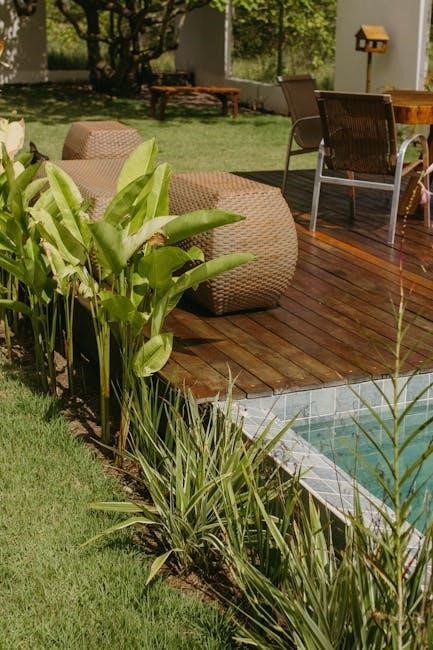
Proper post placement and robust concrete footings are foundational to a stable hot tub deck. Many hot tub deck plans PDF guides emphasize the importance of these elements, as they directly impact the deck’s ability to bear significant weight – up to 5000 pounds or more when the tub is full.
Post spacing is dictated by beam spans and load requirements. Typically, posts are placed at intervals determined by the beam’s capacity to distribute weight. Concrete footings must extend below the frost line to prevent heaving during freezing temperatures.
PDF plans will specify footing dimensions (diameter and depth) based on local soil conditions and anticipated load. Ensure posts are securely anchored to the footings using appropriate hardware. Preventing ground contact is vital; posts should be elevated slightly above the surrounding soil to avoid rot and decay. Careful planning and execution in this stage are essential for a safe and durable deck.
Ground Contact Prevention: Essential for Longevity
Protecting your hot tub deck from ground contact is paramount for long-term durability, and detailed hot tub deck plans PDF resources consistently highlight this crucial aspect. Direct contact with soil introduces moisture, fostering rot, decay, and insect infestation – significantly shortening the deck’s lifespan.
PDF plans typically recommend using concrete footings or piers to elevate the deck’s support posts. These footings should extend below the frost line to prevent movement. Additionally, using pressure-treated lumber specifically rated for ground contact is essential;
Consider adding a gravel base around the footings to improve drainage. Some plans suggest a moisture barrier between the wood and concrete. Regularly inspect the deck for signs of moisture or wood damage. By diligently preventing ground contact, you’ll ensure your hot tub deck remains a safe and enjoyable feature for years to come.

Free-Standing vs. Attached Hot Tub Decks
Choosing between a free-standing or attached hot tub deck significantly impacts construction complexity, and hot tub deck plans PDF guides often dedicate sections to comparing both options. Free-standing decks offer flexibility in placement and avoid potential structural issues with existing structures.
Attached decks, however, can integrate seamlessly with your current outdoor space. PDF plans for attached decks emphasize the importance of proper connection techniques to ensure stability and prevent damage to the existing structure. Considerations include load distribution and railing integration.
A free-standing deck, as seen in some plans, might benefit from a 2ft border around the tub, though this can affect aesthetics. PDF resources detail how to build a sturdy, independent platform. Ultimately, the best choice depends on your yard layout, existing structures, and desired aesthetic. Careful planning, guided by detailed plans, is key.
Designing a Free-Standing Hot Tub Deck
When designing a free-standing hot tub deck, hot tub deck plans PDF resources highlight the importance of a robust foundation. These plans often detail constructing a simple 8×8 platform, particularly suited for inflatable hot tubs, emphasizing ground-level construction for ease of access.
PDF guides will illustrate techniques for building without extensive cuts, maximizing lumber efficiency. Consideration should be given to post placement and concrete footings to prevent ground contact and ensure longevity. Plans frequently recommend pressure-treated Southern Yellow Pine for its durability and resistance to decay.
Furthermore, detailed plans will address railing considerations for safety and aesthetics, often suggesting three-sided railings. Remember to account for the hot tub’s weight – a full tub can easily exceed 5000 pounds – and incorporate appropriately sized joists and beams. A well-designed free-standing deck provides a safe and enjoyable hot tub experience.
Connecting to Existing Decks: Width and Railing Integration
Integrating a new hot tub deck with an existing structure requires careful planning, and detailed hot tub deck plans PDF resources can be invaluable. Many designs suggest a border around the tub, but a 2ft perimeter can feel awkward; consider the surrounding space and intended use.
PDF guides emphasize the importance of a smooth transition and secure connection. If connecting to a deck 16 inches wide, ensure the new structure is freestanding to avoid stressing the existing deck’s foundation. Railing integration is crucial for safety and aesthetics. Plans often show extending existing railings or building new ones to seamlessly blend with the existing structure.
Properly sized beams, like triple 2x12s supported by posts, are essential for load-bearing capacity. Remember to factor in the combined weight of the hot tub, water, and users. Consulting PDF plans will help determine appropriate lumber sizes and spacing for a safe and stable connection.
Railing Considerations: Safety and Aesthetics
Railing systems are paramount for hot tub deck safety, and comprehensive hot tub deck plans PDF documents detail various options. These plans emphasize building code compliance, typically requiring railings on at least three sides, especially when connecting to existing decks.
Aesthetically, railings should complement both the hot tub and surrounding landscape. PDF resources showcase designs ranging from simple wooden posts and balusters to more elaborate cable or glass railings. Consider the overall style of your outdoor space when selecting materials.
Safety standards dictate railing height and baluster spacing to prevent falls. Detailed plans provide precise measurements and construction techniques. Ensure railings are securely anchored to the deck framing, utilizing robust connections. Properly installed railings not only enhance safety but also contribute significantly to the deck’s visual appeal, as shown in many PDF examples.
8×8 Deck Plans for Inflatable Hot Tubs
Numerous hot tub deck plans PDF resources specifically cater to inflatable hot tubs, often focusing on simple 8×8 platform designs. These plans prioritize ease of construction, minimizing cuts and maximizing lumber efficiency – a popular approach detailed on platforms like Funky Junk Interiors.
The core of these plans involves building a sturdy, level base capable of supporting the filled weight of the tub (often around 5000 lbs). PDF guides typically recommend pressure-treated Southern Yellow Pine for its durability and cost-effectiveness. Joist spacing is crucial, with recommendations ranging from 12 to 16 inches apart using 2×8 lumber.
Many plans emphasize ground-level construction to simplify access and reduce the need for extensive framing. Detailed diagrams illustrate beam placement and footing construction, ensuring long-term stability. These readily available PDFs empower DIYers to create a safe and functional platform for their inflatable hot tub.
Simple Platform Construction Techniques
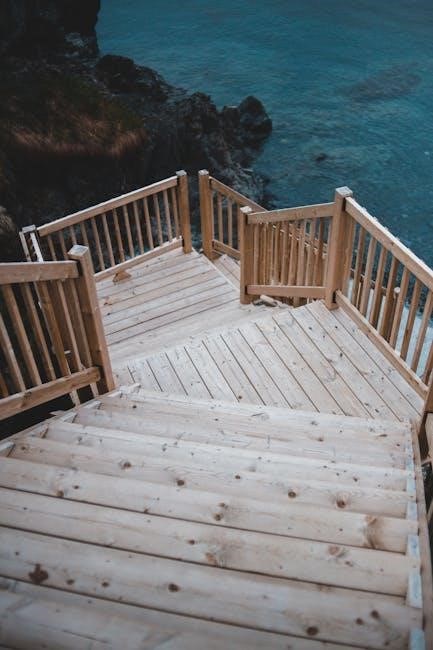
Utilizing hot tub deck plans PDF resources often reveals a preference for straightforward platform construction, particularly for inflatable tubs. These techniques prioritize minimizing complexity and maximizing efficiency, often avoiding angled cuts to streamline the build process. The goal is a robust, level surface capable of safely supporting the filled weight.
A common approach involves building a rectangular frame using pressure-treated lumber – typically 2x8s for joists and 2x12s for beams. PDF guides detail how to space joists appropriately (12-16 inches apart) to distribute the load evenly. Concrete footings or piers are essential, preventing ground contact and ensuring long-term stability.
Many plans advocate for a “no-cut” strategy, designing the platform dimensions to align with standard lumber lengths. This reduces waste and simplifies construction. Detailed diagrams within the PDFs illustrate the assembly sequence, making the process accessible to DIYers with varying skill levels.
Avoiding Cuts: Efficient Lumber Usage
Many hot tub deck plans PDF guides emphasize minimizing lumber cuts to reduce waste and simplify the building process. This approach leverages standard lumber lengths – often 8, 10, or 12 feet – to design a platform that requires minimal, if any, cutting. This is particularly beneficial for beginners or those seeking a quick build.
The strategy involves carefully calculating the platform dimensions (like the popular 8×8 foot size) to align with available lumber. Detailed plans illustrate how to arrange joists and beams to achieve structural integrity without complex cuts. This not only saves time and effort but also reduces material costs.
PDF resources often provide cutting lists, but the core principle is to design around standard lengths. This efficient use of materials contributes to a more cost-effective and environmentally friendly project. It’s a key feature in plans geared towards inflatable hot tubs, prioritizing simplicity and ease of assembly.

Hot Tub Deck Plans PDF Resources: Where to Find Them
Numerous online sources offer hot tub deck plans in PDF format, catering to various skill levels and budget constraints. A quick search reveals options ranging from free, basic plans to more detailed, professionally designed blueprints available for purchase. Websites specializing in DIY projects and home improvement frequently host these resources.
Platforms like home improvement forums and dedicated woodworking sites often have user-submitted plans, providing a diverse range of designs. Pinterest is also a valuable source, linking to various PDF downloads and visual guides; Remember to carefully review the plan’s specifications and ensure it aligns with your hot tub’s weight and dimensions.
Additionally, lumber retailers sometimes offer free plans as a promotional tool. Always prioritize plans that include detailed material lists, step-by-step instructions, and safety precautions. Thoroughly vetting the source and plan’s credibility is crucial for a successful and safe build.
DIY vs. Professional Installation
Deciding between a DIY approach and professional installation hinges on your skillset, time availability, and comfort level with construction projects. While readily available hot tub deck plans in PDF format empower homeowners to tackle the build themselves, it demands a solid understanding of carpentry, structural integrity, and local building codes.
DIY installation can significantly reduce costs, but requires meticulous attention to detail, accurate measurements, and adherence to safety protocols. Mistakes can compromise the deck’s stability and potentially lead to costly repairs or safety hazards. Conversely, professional installation ensures compliance with regulations and offers peace of mind.
Professionals possess the expertise to handle complex aspects like load calculations, proper footing construction, and railing installation. They also typically carry insurance, protecting you from liability. Weigh the potential savings of DIY against the risks and benefits of professional expertise before making a decision;
Cost Estimation for Hot Tub Deck Construction
Estimating the cost of your hot tub deck requires considering several factors. Lumber prices, particularly pressure-treated Southern Yellow Pine, fluctuate significantly. Hot tub deck plans in PDF format often don’t include material costs, necessitating a separate detailed estimate.
Expect to spend between $800 and $2,500 for a basic 8×8 freestanding deck, depending on lumber quality and hardware choices. Concrete for footings adds another $100-$300. Railings can increase the cost by $300-$800 or more, depending on the material (wood, composite, metal).
If connecting to an existing deck, factor in the cost of integrating the structures and ensuring proper support. Professional installation can add $1,000 ⎯ $3,000+ to the total cost. Obtaining multiple quotes from contractors is advisable. Remember to account for potential permitting fees, which vary by location.
Permitting Requirements for Hot Tub Decks
Navigating permitting for your hot tub deck is crucial to avoid legal issues and ensure safety. Requirements vary significantly by locality – checking with your local building department is essential. Hot tub deck plans in PDF format rarely detail permitting specifics, so independent research is vital.
Generally, decks exceeding a certain height (often 30 inches) require permits. Even lower decks may need approval if they’re attached to the house or involve significant excavation. Factors like deck size, proximity to property lines, and railing height influence permit needs.
Expect to submit detailed plans, potentially including structural calculations, demonstrating the deck can safely support the hot tub’s weight (filled, around 5000 lbs). Inspections are typically required at various stages of construction. Failure to obtain necessary permits can result in fines and require dismantling the deck.
Local Building Codes and Regulations
Understanding local building codes is paramount when planning your hot tub deck. While hot tub deck plans in PDF format offer construction guidance, they don’t account for regional variations in regulations. These codes dictate everything from deck height and railing specifications to footing depth and lumber grading.
Common requirements include specific joist spacing (12-16 inches apart for a typical 8×8 deck supporting 5000 lbs), beam sizing (potentially requiring triple 2x12s), and post depth determined by frost lines. Ground contact prevention is often mandated to avoid rot, necessitating concrete footings or piers.
Railing height and spacing are also strictly regulated for safety. Codes may also address accessibility requirements. Ignoring these regulations can lead to failed inspections, costly rework, and potential safety hazards. Always consult your local building department before starting construction to ensure full compliance.
Safety Precautions During Construction
Prioritizing safety is crucial throughout your hot tub deck build, even when following detailed hot tub deck plans in PDF format. Always wear appropriate personal protective equipment (PPE), including safety glasses, work gloves, and sturdy footwear; When cutting lumber, utilize hearing protection.
Be mindful of potential hazards when working with power tools. Ensure tools are properly grounded and used according to manufacturer instructions. When digging for footings, locate underground utilities beforehand to avoid damage and potential injury.
When lifting heavy lumber, employ proper lifting techniques to prevent back strain. Securely support beams and joists during installation to prevent collapse. If connecting to an existing deck, ensure a stable and secure connection. Finally, maintain a clean and organized work area to minimize trip hazards. A safe worksite is a productive worksite!
Maintaining Your Hot Tub Deck
Regular maintenance is key to extending the life of your hot tub deck, even if built using detailed hot tub deck plans in PDF. Inspect the deck annually for signs of rot, decay, or structural damage. Pay close attention to areas in contact with the ground or exposed to moisture.
Clean the deck surface regularly to remove dirt, debris, and algae. Apply a wood preservative or sealant every one to two years to protect the lumber from the elements. Check and tighten any loose screws or bolts. Ensure proper drainage around the deck to prevent water accumulation.
Periodically inspect railings for stability and repair any damage promptly. Address any signs of insect infestation immediately. By following these simple maintenance steps, you can ensure your hot tub deck remains safe, stable, and enjoyable for years to come.
Preventing Rot and Decay
Proactive measures are crucial when preventing rot and decay in your hot tub deck, especially when utilizing hot tub deck plans in PDF for construction. Ground contact is a primary culprit; ensure all wood is elevated using concrete footings or piers. Pressure-treated lumber, like Southern Yellow Pine, is essential for resisting moisture damage.
Proper ventilation beneath the deck is vital to allow airflow and prevent moisture buildup. Apply a high-quality wood preservative annually, focusing on cut ends and areas prone to water exposure. Consider using stainless steel or coated fasteners to avoid corrosion. Regularly clean the deck surface to remove organic matter that can promote fungal growth.
Inspect for signs of rot – discoloration, softness, or crumbling wood – and address issues immediately. By diligently following these preventative steps, you’ll significantly extend the lifespan of your hot tub deck.
Long-Term Deck Stability and Support
Ensuring lasting stability for your hot tub deck requires careful planning, often aided by detailed hot tub deck plans in PDF. Proper footing depth is paramount, extending below the frost line to prevent shifting due to freezing and thawing cycles. Robust beam construction, utilizing 2×12 lumber or even tripled beams as suggested in some plans, distributes the significant weight of a filled hot tub (potentially 5000 lbs or more).
Joist size and spacing, typically 2x8s spaced 12-16 inches apart, contribute significantly to load-bearing capacity. Regularly inspect connections – posts, beams, and joists – for signs of loosening or corrosion. Maintaining ground contact prevention is vital; moisture is a major destabilizing factor.
Consider the surrounding landscape and potential soil erosion. A well-constructed deck, built according to sound plans, will provide years of safe and reliable support for your hot tub enjoyment.